Suunto Review: What Happened to the Finnish Watch Brand, and Which Model to Buy
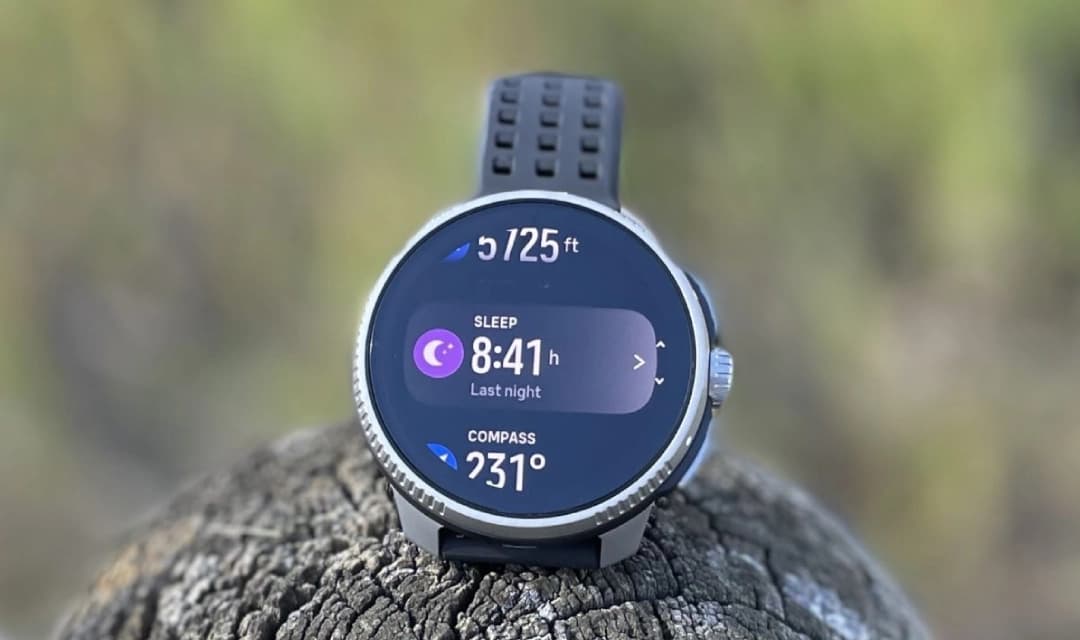
Two things about Suunto in 2026 that almost no buying guide mentions, and both of them should affect what you buy.
First, Suunto is not independently Finnish any more. In the first half of 2022 the Chinese technology company Liesheng acquired Suunto from Amer Sports, itself part of Anta Sports. Operations stayed in Vantaa, Finland, and the engineering team stayed with it, so this is not a badge engineering story. But the brand that markets itself on Nordic heritage has had a Chinese parent for four years.
Second, and more practically: in July 2026 Suunto shipped a feature update to its watches and left the Race S out of it. Three months later it launched the Race 3S at $599, roughly double the Race S's $299, and presented some of those withheld features as new. Contour lines and place names appeared in the launch material as Race 3S features. The Race S has had both since April 2026.
Verdict in one minute
The Race S at around $299 is still the best value Suunto has ever sold, and it does almost everything the $599 Race 3S does.
The Race 3S is a genuine hardware upgrade, mainly the 2,000 nit display and sapphire glass, but a modest software one.
Suunto AI Coach, the Race 3S's headline feature, is free for three months and then paid. Suunto has not announced the price.
Maps and SuuntoPlus apps remain subscription free, which is a real advantage over some rivals.
The model naming has become genuinely confusing, and Suunto has not explained it.
The naming problem, briefly
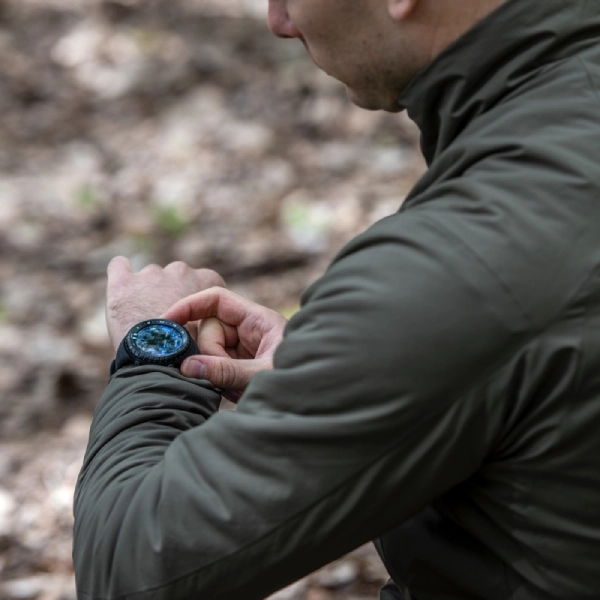
The current lineup runs Race S, Race 2, Vertical 2, Run 2, and now Race 3S. There is no Race 2S and no announced full size Race 3. Suunto has not said why the watch that follows the Race S is called the Race 3S rather than the Race 2S.
This is not pedantry. A shopper comparing a Race 3S against a Race 2 reasonably assumes the higher number is newer and better specified, and that assumption does not hold. Compare on the specifications, not the numbers in the names.
Suunto Race S
Around $299 / £299, launched June 2024.
This is the recommendation for most people, and the price has made it more so over time. A 45mm AMOLED multisport watch with full offline maps, dual band GNSS, and no subscription attached to any of it.
The limits are specific and easy to check against your own use:
Fifteen stored routes. If you plan a season of routes in advance rather than loading one at a time, that ceiling is low.
Up to 32 hours of dual band GPS. Fine for a marathon or a long day in the hills, tight for a hundred mile race.
No native running dynamics. You need a STRYD or similar footpod for cadence derived power and form metrics.
A 600 nit display, which is readable but not bright in direct summer sun.
Two SuuntoPlus apps per activity rather than three.
The thing to weigh is that the Race S received software updates through April 2026 and then was excluded from the July 2026 update. Suunto has not said whether it will receive the Race 3S feature set. Buy it for what it does today rather than for what it might receive, because the pattern suggests it will not receive much.
Suunto Race 3S
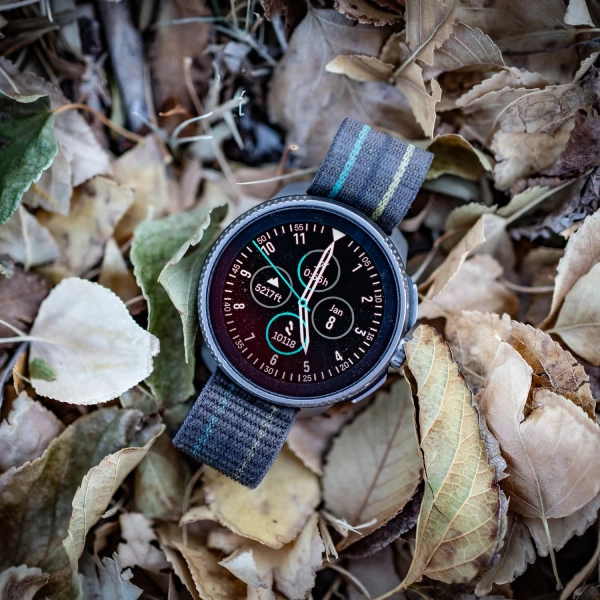
$599 / £435 / €499, launched October 2026.
What you actually get over the Race S, separated into things you will notice and things you probably will not.
Things you will notice
A 2,000 nit display against 600. This is the single biggest practical upgrade. In bright sun it is the difference between glancing and squinting.
Sapphire glass rather than Gorilla Glass, which matters if you scrape your wrist on rock.
38 hours of dual band GPS against 32, 45 hours single band, and 12 days of daily wear against 9.
Native running dynamics, so no footpod needed.
200 stored routes against 15.
Things you probably will not
64GB storage against 32GB, unless you carry a large offline music library.
A titanium bezel, which is a materials change rather than a capability change.
A new optical heart rate module and GPS chipset. Both sound significant, but GPS accuracy testing on this watch was still pending at the time of writing, so treat improvements as claimed rather than verified.
Map layer controls, tides, and vertical gain as a workout target. These arrived on other Suunto watches in the July 2026 update. They are new to the Race S line, not new to Suunto.
Race Planner is promised in a later update rather than shipping now, which is worth remembering if it is part of why you are buying.
Suunto AI Coach, and the price nobody has published
AI Coach is the headline feature of the Race 3S launch, and the terms are unusual enough to state plainly.
Race 3S buyers get three months free, and they must pair and activate the watch in the Suunto app by 31 December 2026 to claim it. After that it is a paid service. Suunto has not announced what it costs.
So the position in October 2026 is that you can buy a $599 watch whose marquee feature has an unpublished ongoing price. Suunto's launch material named only the Race 3S as supported, and did not confirm whether owners of older watches get access or a free period at all.
The sensible response is to value the Race 3S at $599 for its hardware alone and treat AI Coach as a free trial of something you have not been quoted for. If the subscription turns out to be the reason you wanted the watch, wait for the price before buying. To Suunto's credit, maps and SuuntoPlus apps carry no ongoing charge, so this is a new subscription rather than a creeping paywall over things that used to be free.
Suunto Race 2 and Vertical 2
The Race 2 is the full size sibling, and the Vertical 2 is the long battery, solar, expedition oriented watch. The Vertical line is where Suunto has historically been most clearly ahead of its competitors, because multi day battery life with full offline mapping is a specific need that most brands serve badly.
If your use case is genuinely multi day, look at the Vertical 2 rather than paying for the Race 3S's brighter screen. If it is not, the Race S covers it for a third of the price.
Suunto Run 2
The entry point, and a reasonable one if you only run and do not need maps. Be clear with yourself about the maps question before choosing it, because navigation is the single feature people most regret not buying, and it cannot be added later.
The ownership question, honestly assessed
Chinese ownership of a Finnish brand is a fact, not automatically a verdict, and it is worth separating the real risks from the imagined ones.
At acquisition, Liesheng's chairman said the deal gave Suunto access to new markets, particularly in Asia, and CEO Heikki Norta said the brand, products, digital services, update frequency, data protection and customer support would continue as before. Operations remained in Vantaa.
The criticism raised at the time by industry observers was not the nationality of the parent, it was that no investment figure was announced, which left open whether the brand would be funded or simply harvested. Four years on, the evidence is mixed: Suunto has shipped new hardware regularly and has been rebuilding distribution in markets it had withdrawn from, which points to investment rather than decline. Against that, the decision to withhold a software update from a two year old watch and then sell those features in a new one is a monetisation move, not a product move.
For a buyer, the practical consequence is about update support rather than geopolitics. Assume a shorter software life than you would from the Suunto of ten years ago, and buy the watch for the features it has in the box.
Worth buying if
You want full offline maps without a subscription, which remains Suunto's strongest argument.
You run or hike long and value battery life over app ecosystem breadth.
The Race S price of around $299 appeals and you can live within fifteen routes and a chest strap.
You want multi day battery, in which case the Vertical line is genuinely class leading.
Skip it if
You depend on a mature third party app and platform ecosystem. Suunto's is smaller than the obvious alternative's.
You need a long guaranteed software support window. Recent behaviour does not support that expectation.
AI Coach is your reason for buying and you want to know what it costs first. Nobody can tell you yet.
Final word
Suunto still makes the best value offline mapping watches on the market, and the Race S at around $299 is the clearest example of that in the whole category. Buy it.
The Race 3S at $599 is a good watch and an aggressive piece of commercial strategy at the same time. If you want the bright screen and the sapphire, it is worth the money on hardware alone. Just do not pay the premium for features your Race S already has, or for a coaching service whose price has not been announced.